Your car battery is one of the most critical components of your vehicle. Without it, your car simply won’t start. Understanding How to Check Car Battery Health can save you from unexpected breakdowns, costly repairs, and frustrating delays. Whether you’re a beginner or a car owner looking to improve maintenance habits, this guide will walk you through simple and effective ways to keep your battery in top condition.
By following these easy tips, you can extend battery life, improve performance, and avoid being stranded at the worst possible time.
Why Car Battery Health Matters
A healthy battery ensures your car starts reliably and powers essential electrical systems. Over time, batteries degrade due to temperature changes, driving habits, and age. Ignoring battery health can lead to sudden failure.
Regular checks help you:
- Prevent unexpected breakdowns
- Save money on emergency repairs
- Extend battery lifespan
- Improve overall vehicle performance
Just like building a passive income stream requires consistency, maintaining your battery health needs regular attention and small efforts.
Signs Your Car Battery May Be Weak
Before diving into How to Check Car Battery Health, it’s important to recognize warning signs. These indicators suggest your battery may be failing:
1. Slow Engine Crank
If your engine takes longer to start, your battery might be losing charge.
2. Dim Headlights
Weak batteries often cause headlights and interior lights to dim.
3. Electrical Issues
Malfunctioning power windows or infotainment systems can signal battery problems.
4. Warning Light on Dashboard
Most vehicles have a battery warning light that turns on when there’s an issue.
5. Corroded Terminals
White or blue residue on battery terminals indicates corrosion, which affects performance.
How to Check Car Battery Health at Home
You don’t always need a mechanic to assess your battery. Here are simple methods you can use yourself.
1. Visual Inspection
Start with a basic visual check:
- Look for cracks or swelling in the battery case
- Check for corrosion on terminals
- Ensure cables are tightly connected
If you notice damage, consider replacing the battery immediately.
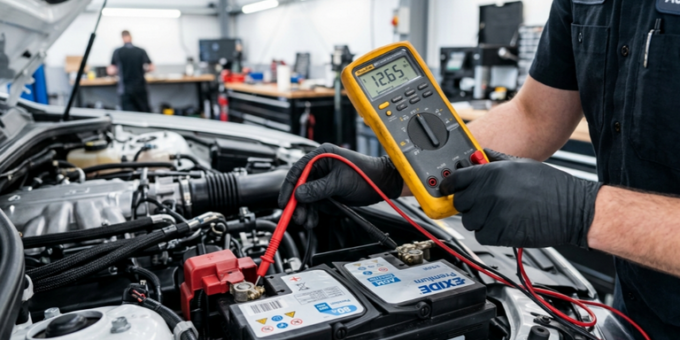
2. Use a Multimeter
A multimeter is a reliable tool to measure voltage. Follow these steps:
- Set the multimeter to DC voltage
- Connect the red probe to the positive terminal
- Connect the black probe to the negative terminal
Voltage readings:
- 12.6V or higher: Fully charged
- 12.4V: Partially charged
- Below 12.0V: Needs replacement
This is one of the easiest ways to understand How to Check Car Battery Health accurately.
3. Perform a Load Test
A load test measures how well your battery performs under stress. You can use a battery tester or visit a service center.
For a detailed guide, visit:
Consumer Reports Battery Testing Guide
4. Check Battery Age
Most car batteries last between 3–5 years. Check the manufacturing date on the battery label.
If your battery is older than three years, monitor it more frequently.
5. Monitor Engine Start Performance
Pay attention to how your car starts daily. Consistent slow starts indicate declining battery health.
Professional Battery Testing
While DIY checks are helpful, professional testing provides deeper insights. Mechanics use advanced tools to evaluate:
- Cold cranking amps (CCA)
- Internal resistance
- Charging system performance
Learn more about battery diagnostics at:
AutoZone Battery Testing Guide
Tips to Extend Car Battery Life
Knowing How to Check Car Battery Health is only half the job. Proper care ensures longer battery life.
1. Avoid Short Trips
Frequent short drives prevent the battery from fully charging.
2. Turn Off Electronics
Always switch off lights and accessories before leaving your car.
3. Keep Terminals Clean
Clean corrosion using baking soda and water.
4. Secure the Battery
Ensure the battery is tightly mounted to prevent vibration damage.
5. Park in Moderate Temperatures
Extreme heat or cold can reduce battery lifespan.
When to Replace Your Car Battery
Even with proper care, every battery has a lifespan. Replace your battery if:
- Voltage consistently drops below 12V
- You experience frequent jump starts
- The battery is over 4–5 years old
- There is visible damage or leakage
Replacing your battery on time prevents costly roadside emergencies.
Common Mistakes to Avoid
Many car owners unknowingly damage their batteries. Avoid these mistakes:
1. Ignoring Warning Signs
Delaying action can lead to complete battery failure.
2. Using Incorrect Chargers
Always use compatible chargers to avoid overcharging.
3. Leaving Car Idle for Long Periods
Inactive cars drain battery power over time.
4. Skipping Routine Checks
Regular inspections are essential for early detection.
How Battery Maintenance Relates to Smart Living
Maintaining your car battery is similar to managing an online business. Both require consistent monitoring and proactive care.
Just as choosing between affiliate vs dropshipping affects your business success, deciding how you maintain your vehicle impacts long-term reliability.
In fact, building habits like regular maintenance mirrors strategies used in affiliate marketing or running a dropshipping business—small consistent actions lead to big long-term results.
Internal Resources for Car Maintenance
For more automotive tips, check out our related guides:
- How to Change Car Oil: Step-by-Step Guide for Beginners
- Top Car Maintenance Tips for Beginners
- Signs Your Car Needs Immediate Service
Final Thoughts
Understanding How to Check Car Battery Health is essential for every car owner. With simple tools and regular checks, you can avoid unexpected breakdowns and extend your battery’s life.
Make battery inspection part of your routine maintenance. A few minutes of effort today can save hours of inconvenience tomorrow.
Stay proactive, stay prepared, and keep your car running smoothly.
