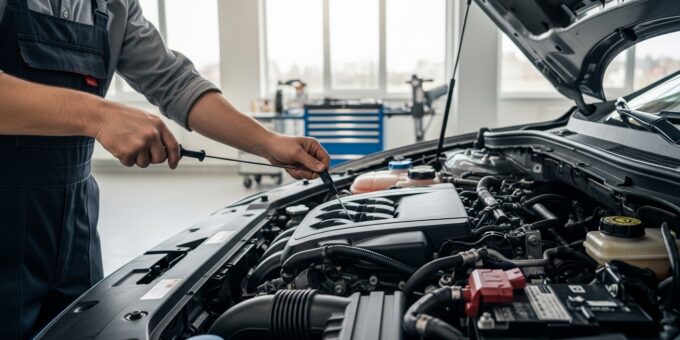
How to maintain your car engine is a question every vehicle owner should understand. A well-maintained engine delivers smooth performance, better fuel economy, and fewer expensive repairs. Regular care also extends the lifespan of your vehicle and protects your long-term investment.
This complete guide explains practical, easy-to-follow maintenance steps. Each section uses short sentences and clear transitions so you can apply the advice immediately.
Why Engine Maintenance Matters
Your engine is the heart of your vehicle. When it runs efficiently, the entire car performs better. Poor maintenance leads to overheating, low fuel efficiency, and costly breakdowns.
Consistent servicing improves reliability and reduces unexpected repair bills. It also helps maintain resale value. Many buyers check service history before purchasing a used car.
Learning how to maintain your car engine is similar to managing an online business. Small, regular actions create long-term success. Ignoring routine care leads to bigger problems later.
Follow a Regular Oil Change Schedule
Why Engine Oil Is Critical
Engine oil lubricates moving parts and reduces friction. It also helps control temperature and removes contaminants. Dirty or low oil causes wear that can destroy an engine.
How Often to Change Oil
Most modern cars need an oil change every 5,000 to 7,500 miles. Some synthetic oils last longer. Always check your owner’s manual for the exact interval.
Think of oil changes like building passive income. Consistent small investments prevent major losses in the future.
For professional guidance, you can review maintenance basics at
Consumer Reports car maintenance guide.
Replace Air Filters for Better Fuel Efficiency
The engine air filter keeps dust and debris out of the combustion chamber. A clogged filter restricts airflow and reduces fuel efficiency.
Replacing the filter every 12,000 to 15,000 miles improves acceleration and mileage. It is one of the simplest and cheapest maintenance tasks.
Just like choosing between affiliate vs dropshipping, small efficiency decisions can create noticeable long-term benefits.
Maintain the Cooling System
Check Coolant Levels Regularly
Coolant prevents overheating and freezing. Low coolant can cause severe engine damage within minutes. Always check levels when the engine is cool.
Flush the Radiator Periodically
Over time, coolant becomes contaminated. Flushing the radiator every 30,000 to 50,000 miles keeps the cooling system clean and efficient.
Reliable temperature control ensures long-term performance. This stability is similar to maintaining a steady dropshipping business that avoids sudden losses.
Inspect Spark Plugs and Ignition Components
Spark plugs ignite the fuel-air mixture. Worn plugs cause misfires, rough idling, and poor fuel economy. Replacing them at recommended intervals restores performance.
Modern iridium spark plugs can last up to 100,000 miles. However, inspection during routine servicing is still important.
Efficient ignition keeps your engine running smoothly, much like optimized strategies improve results in affiliate marketing.
Keep the Fuel System Clean
Fuel injectors deliver precise amounts of fuel into the engine. Deposits can disrupt this process and reduce efficiency.
Using high-quality fuel and periodic fuel system cleaners helps maintain proper combustion. Some drivers also schedule professional injector cleaning every 30,000 miles.
Clean fuel delivery improves mileage and reduces emissions. These savings add up over years of driving.
Monitor Belts and Hoses
Belts and hoses control essential systems like cooling, charging, and air conditioning. Cracks or leaks can quickly lead to breakdowns.
Inspect these components during every oil change. Replace worn belts before they fail. Preventive replacement is far cheaper than emergency repairs.
Check Battery Health and Electrical Systems
A weak battery forces the engine to work harder during startup. Corroded terminals also reduce electrical efficiency.
Clean battery terminals and test voltage regularly. Most batteries last three to five years. Replacing them before failure prevents unexpected problems.
Use Quality Fuel and Lubricants
Cheap fuel may contain impurities that harm engine components. Low-quality oil breaks down faster and provides poor protection.
Choose reputable fuel stations and manufacturer-approved lubricants. This simple habit significantly extends engine life.
Drive Smoothly to Reduce Engine Stress
Aggressive acceleration and sudden braking strain engine components. Gentle driving reduces wear and improves fuel economy.
Allow the engine to warm up briefly before heavy acceleration. Maintain steady speeds on highways whenever possible.
Smooth driving behavior protects mechanical parts and lowers long-term costs.
Follow the Manufacturer’s Maintenance Schedule
Your owner’s manual contains the most accurate service timeline. It lists intervals for oil, filters, spark plugs, fluids, and inspections.
Following this schedule ensures warranty protection and optimal performance. Skipping recommended service increases the risk of major failure.
You can also review general maintenance timelines at
NHTSA vehicle maintenance resources.
Watch for Warning Signs Early
Engines usually show symptoms before serious damage occurs. Pay attention to:
- Unusual noises or vibrations
- Warning lights on the dashboard
- Smoke from the exhaust
- Sudden drop in fuel efficiency
- Fluid leaks under the car
Addressing these issues early prevents expensive repairs and keeps your vehicle safe.
Store and Protect Your Vehicle Properly
Extreme weather affects engine performance. High heat stresses cooling systems, while cold temperatures thicken oil and reduce battery power.
Whenever possible, park in a garage or shaded area. In cold climates, consider using engine block heaters for easier starts.
Proper storage reduces wear and improves long-term reliability.
Professional Inspections Save Money Over Time
Even careful owners cannot detect every issue. Certified mechanics use diagnostic tools to identify hidden problems.
An annual inspection often costs far less than major engine repair. Preventive care is always the smarter financial decision.
Long-Term Benefits of Proper Engine Maintenance
Consistent maintenance delivers measurable advantages:
- Better fuel efficiency and lower fuel costs
- Reduced risk of breakdowns
- Higher resale value
- Smoother and quieter driving experience
- Longer engine lifespan
These benefits compound over time, similar to steady growth in a well-managed online business.
Final Thoughts
Understanding how to maintain your car engine is essential for every driver. Regular oil changes, clean filters, proper cooling, and smooth driving habits all contribute to long-term performance.
Small maintenance actions today prevent expensive repairs tomorrow. With consistent care, your engine can remain reliable and fuel-efficient for many years.
Start applying these steps now. Your vehicle—and your wallet—will benefit in the long run.
