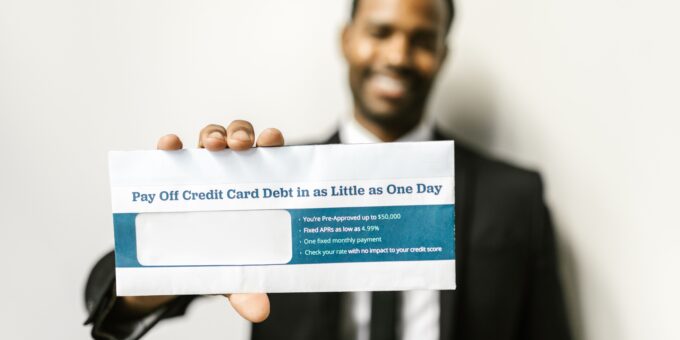
Managing debt has become one of the biggest financial challenges for millions of households. Rising interest rates, increasing living costs, and unexpected expenses can make debt feel overwhelming. Fortunately, with the right strategy, anyone can reduce debt and build a stronger financial future.
This Debt Reduction Guide 2026 explains practical methods to eliminate credit card debt, manage personal loans, improve your financial habits, and achieve lasting financial freedom. Whether you are just starting your debt payoff journey or looking to accelerate your progress, these proven strategies can help.
Why Debt Reduction Matters in 2026
Debt impacts more than your monthly budget. It affects your savings, retirement plans, investment opportunities, and overall financial security. High-interest debt grows quickly and reduces your ability to build wealth.
Reducing debt offers several benefits:
- Lower monthly financial stress
- Better credit score
- Reduced interest payments
- Greater savings opportunities
- More financial flexibility
- Faster path toward financial independence
The sooner you begin your debt reduction journey, the more money you can save over time.
Understand Every Dollar You Owe
The first step is knowing exactly how much debt you have. Create a complete list that includes:
- Credit card balances
- Personal loans
- Auto loans
- Student loans
- Medical bills
- Interest rates
- Minimum monthly payments
Many people underestimate their total debt until they write everything down. A clear picture helps you create an effective repayment strategy.
Create a Realistic Monthly Budget
A budget is the foundation of every successful debt payoff plan.
Track all income sources and monthly expenses. Divide spending into essential and non-essential categories.
Essential Expenses
- Housing
- Utilities
- Insurance
- Transportation
- Groceries
Non-Essential Expenses
- Streaming services
- Dining out
- Shopping
- Entertainment
- Subscriptions
Reducing unnecessary expenses allows you to direct more money toward debt payments.
Choose the Right Debt Payoff Strategy
1. Debt Snowball Method
The debt snowball focuses on paying off the smallest balance first while making minimum payments on all other debts.
Advantages include:
- Quick wins
- Higher motivation
- Easy to follow
2. Debt Avalanche Method
The debt avalanche targets the highest interest rate first.
Benefits include:
- Lower total interest paid
- Faster long-term savings
- More efficient debt elimination
Choose the strategy that matches your personality and financial goals.
Pay More Than the Minimum Payment
Minimum payments mostly cover interest. As a result, balances decline very slowly.
Even paying an extra $50 or $100 every month can significantly shorten your repayment period and reduce interest costs.
Reduce Credit Card Interest
Credit cards often carry the highest interest rates.
Consider these options:
- Request a lower interest rate from your issuer.
- Transfer balances to a lower-rate card.
- Avoid making new purchases while paying off existing balances.
- Always pay on time.
Responsible credit management improves both your finances and your credit score.
Consider Debt Consolidation
Debt consolidation combines multiple debts into one monthly payment.
Potential advantages include:
- Lower interest rates
- Simplified payments
- Improved budgeting
- Reduced financial stress
Compare lenders carefully before choosing a consolidation loan.
Build an Emergency Fund
Many people return to debt because they lack emergency savings.
Start with a goal of $500 to $1,000. Gradually build three to six months of living expenses.
An emergency fund prevents unexpected expenses from going onto credit cards.
Increase Your Income
Paying off debt becomes easier when your income grows.
You may consider:
- Freelancing
- Consulting
- Part-time work
- Selling unused items
- Remote work opportunities
Some people build additional income through affiliate marketing, creating an online business, or developing reliable passive income streams. Before starting, many entrepreneurs compare affiliate vs dropshipping to determine which business model aligns with their goals. Others choose to launch a dropshipping business because it requires relatively low upfront inventory costs.
Avoid New Debt During Repayment
One of the biggest mistakes is continuing to use credit cards while paying off old balances.
Try these strategies:
- Use cash when possible.
- Delete saved payment information from online stores.
- Delay impulse purchases.
- Follow a shopping list.
Changing spending habits is essential for long-term success.
Improve Your Credit Score
Reducing debt naturally improves your credit profile.
Focus on:
- Making payments on time
- Keeping credit utilization low
- Avoiding unnecessary credit applications
- Monitoring your credit reports regularly
A higher credit score may qualify you for lower interest rates in the future.
Automate Your Payments
Automation helps prevent missed payments.
Set automatic transfers for:
- Minimum payments
- Extra debt payments
- Savings contributions
This simple habit keeps your repayment plan consistent.
Track Your Progress Every Month
Monitoring your debt keeps you motivated.
Create a monthly tracker showing:
- Total balance
- Interest saved
- Loans paid off
- Credit score improvements
Celebrate milestones without overspending.
Common Debt Reduction Mistakes
Avoid these common errors:
- Ignoring high-interest debt
- Making only minimum payments
- Not following a budget
- Taking on additional loans
- Skipping emergency savings
- Missing payment due dates
Small financial mistakes often become expensive over time.
Long-Term Habits for Financial Freedom
Paying off debt is only the beginning. Maintaining financial freedom requires healthy habits.
- Continue budgeting.
- Increase retirement savings.
- Invest regularly.
- Avoid lifestyle inflation.
- Maintain emergency savings.
- Set long-term financial goals.
Consistent financial discipline creates lasting wealth.
Helpful Financial Resources
Learn more about budgeting and debt management from trusted organizations:
- Consumer Financial Protection Bureau
- Investor.gov
- Budgeting and Saving Guide
- Credit Score Improvement Guide
- Personal Finance Resources
Conclusion
Debt Reduction Guide 2026 demonstrates that becoming debt-free is possible with planning, consistency, and patience. Whether your goal is paying off credit card debt, eliminating personal loans, or achieving complete financial freedom, every extra payment moves you closer to success.
Start by understanding your finances, creating a realistic budget, choosing the best repayment strategy, and avoiding unnecessary borrowing. As your debt decreases, you’ll gain greater financial confidence, stronger credit, and more opportunities to build long-term wealth.
