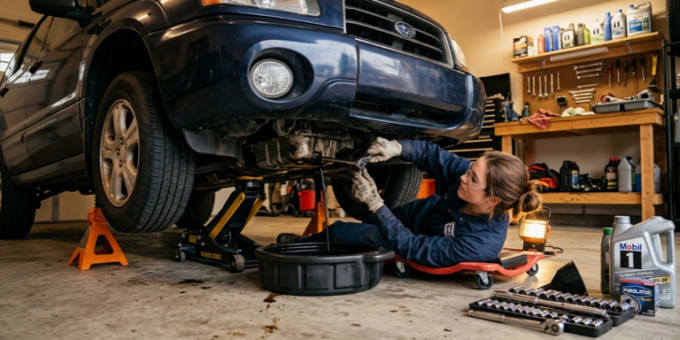
How to change car oil is one of the most essential skills every car owner should learn. Regular oil changes keep your engine running smoothly, improve fuel efficiency, and extend the life of your vehicle. If you’re a beginner, this step-by-step guide will walk you through the entire process in a simple and clear way.
Learning how to change car oil yourself can also save money and give you more control over your car maintenance routine. Let’s dive in.
Why Changing Your Car Oil Is Important
Motor oil lubricates engine components, reduces friction, and prevents overheating. Over time, oil breaks down and becomes contaminated with dirt and debris.
If you neglect oil changes, it can lead to:
- Engine wear and damage
- Reduced performance
- Poor fuel economy
- Costly repairs
Experts recommend changing your oil every 3,000 to 7,500 miles, depending on your car and oil type. Check your owner’s manual or visit Consumer Reports for detailed guidance.
Tools and Materials You’ll Need
Before starting, gather the following tools:
- New engine oil (check your car manual for type and quantity)
- Oil filter
- Wrench or socket set
- Oil filter wrench
- Oil drain pan
- Funnel
- Gloves and rags
- Jack and jack stands (if needed)
Step-by-Step Guide: How to Change Car Oil
Step 1: Prepare Your Vehicle
Park your car on a flat surface and turn off the engine. Let it cool for about 10–15 minutes. Warm oil drains faster, but hot oil can cause burns.
If necessary, lift the car using a jack and secure it with jack stands.
Step 2: Locate the Oil Drain Plug
Slide under the car and locate the oil drain plug on the oil pan. Place your oil drain pan directly beneath it.
Step 3: Drain the Old Oil
Use a wrench to loosen the drain plug. Carefully remove it and allow the oil to drain completely into the pan. This may take several minutes.
Once done, reinstall and tighten the drain plug securely.
Step 4: Remove and Replace the Oil Filter
Locate the oil filter. Use an oil filter wrench to remove it. Be cautious, as it may contain residual oil.
Before installing the new filter:
- Apply a small amount of new oil to the rubber gasket
- Screw it in by hand until snug
Step 5: Add New Oil
Open the hood and locate the oil filler cap. Remove it and insert a funnel.
Pour in the recommended amount of new oil slowly. Avoid overfilling.
Step 6: Check Oil Level
Use the dipstick to check the oil level. It should be between the minimum and maximum marks.
Add more oil if necessary, but do not exceed the limit.
Step 7: Start the Engine
Start your car and let it run for a few minutes. This helps circulate the new oil.
Check for leaks around the drain plug and oil filter.
Step 8: Dispose of Old Oil Properly
Never pour used oil down the drain. Take it to a recycling center or an auto shop that accepts used oil.
Find a nearby recycling facility through Earth911.
Common Mistakes to Avoid
When learning how to change car oil, beginners often make these mistakes:
- Overtightening the drain plug
- Using the wrong type of oil
- Forgetting to replace the oil filter
- Overfilling the engine
- Not checking for leaks
Avoiding these errors will ensure a smooth and safe oil change process.
How Much Money Can You Save?
Changing your oil at a service center can cost between $50 and $120. Doing it yourself typically costs $25 to $50.
Over time, this adds up to significant savings. This is similar to building passive income through small but consistent efforts.
If you’re interested in saving and earning more, check out our guide on starting an online business.
DIY Car Maintenance and Smart Financial Habits
Learning how to change car oil is more than just a mechanical skill. It reflects a mindset of independence and smart money management.
Just like maintaining your car, building an online business requires consistency and effort.
For example:
- affiliate marketing helps generate income through product promotion
- A dropshipping business allows you to sell products without holding inventory
- Understanding affiliate vs dropshipping can help you choose the best path
Both car maintenance and digital ventures teach valuable skills that lead to long-term savings and growth.
When Should You Change Your Oil?
While mileage is a good guideline, also watch for these signs:
- Dark, dirty oil
- Engine noise or knocking
- Oil change warning light
- Exhaust smoke
Regular checks ensure your engine stays in top condition.
Benefits of Learning How to Change Car Oil
Mastering how to change car oil offers many advantages:
- Saves money on maintenance
- Increases vehicle lifespan
- Boosts confidence in DIY skills
- Reduces dependency on mechanics
It’s a simple task that delivers long-term value.
Conclusion
How to change car oil is a beginner-friendly skill that every car owner should learn. With the right tools and guidance, you can complete the process in under an hour.
Regular oil changes protect your engine, improve performance, and save money. Whether you’re maintaining your car or building a passive income stream through an online business, consistency is key.
Start today and take control of your car maintenance routine.
